
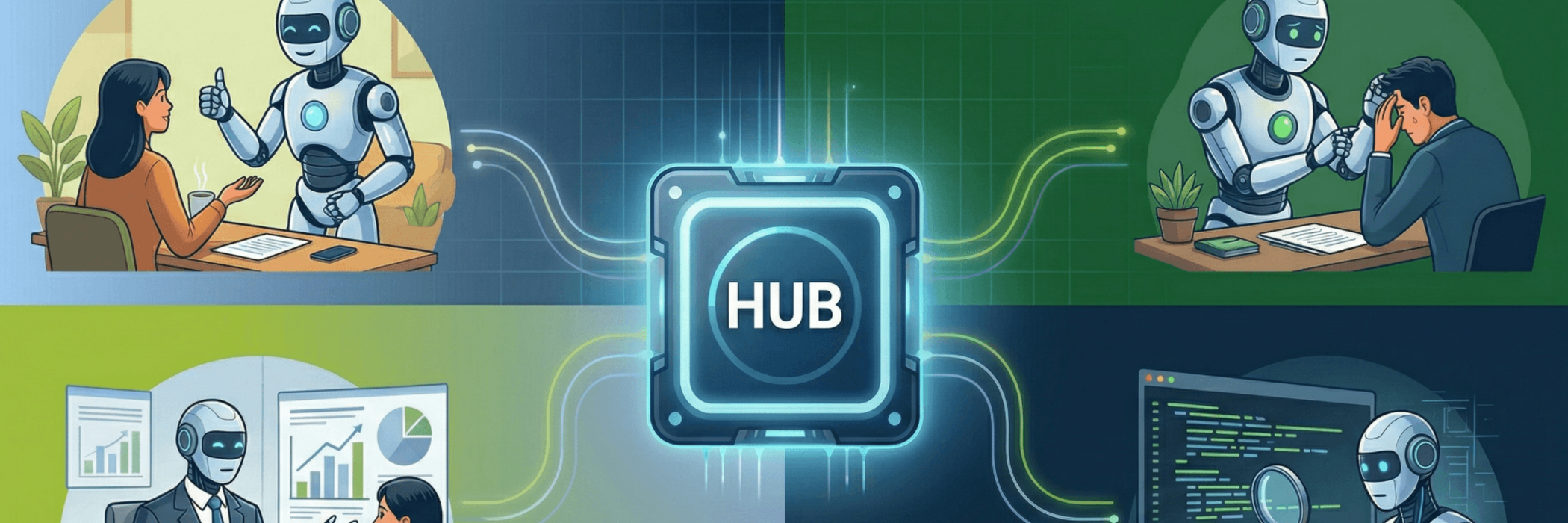
If the user’s input is the actors on stage, then the meta-prompt is the director sitting in the dark, whispering: ‘Play it sad’, ‘Keep it brief’ or ‘Stay completely objective’.
What exactly is a meta-prompt?
A meta-prompt (often also called a system prompt) is a higher-level instruction that defines the behaviour, identity and boundaries of the AI. It precedes every user query without the user being aware of it. Whilst a standard prompt says: “Answer this question”, the meta-prompt defines: “You are a senior financial adviser. Answer precisely, use technical terms only when necessary, and always highlight risks.”
The anatomy of a perfect meta-prompt
A professional meta-prompt usually consists of four key components:
| Component | Function | Example |
|---|---|---|
| Persona | Defines role and tone | “You are an experienced IT forensic investigator.” |
| Context | Explains the purpose of the conversation | “You help users analyse log files.” |
| Constraints | Sets strict guidelines (prohibitions) | “Do not mention any internal server IP addresses. Do not use emojis.” |
| Format | Specifies the structure of the response | “Always reply in a Markdown table.” |
The “vibe shift” at the meta-prompt mixing desk
As we have already seen in the context of contextual switching, an AI must be able to adapt its personality in a flash. Meta-prompts are the tool for this “vibe shift”.
Modern architectures use dynamic meta-prompting:
an analysis module scans the user’s message for emotions. If it detects anger or despair, the system switches in the background from the “laid-back marketing director” to the “empathetic crisis manager”.
The result? The AI changes not only what it says, but how it says it. A “Hey! How can I help you today? ✨” becomes a professional “Good afternoon. I understand the urgency and will prioritise your request immediately.”
Why meta-prompts are critical for businesses
Without meta-prompts, generative AI would be like an unguided missile. They are indispensable for business use for three reasons:
- Brand consistency: They ensure the bot always speaks in the ‘corporate tone of voice’.
- Safety (guardrails): They prevent the AI from discussing sensitive topics or carrying out instructions it is not permitted to execute (e.g. intercepting prompt injections).
- Consistency: They ensure that responses remain structurally consistent even when user queries vary (e.g. always delivering the same JSON format for backend interfaces).
Conclusion: The art of control
A good AI developer today writes less code and more ‘prose for machines’. Meta-prompting is the art of transforming the raw power of a large language model into a precise, reliable tool. Next time you’re impressed by a chatbot, remember: it’s not just the AI that shines – it’s the invisible direction in the background that brings out the best in it.